
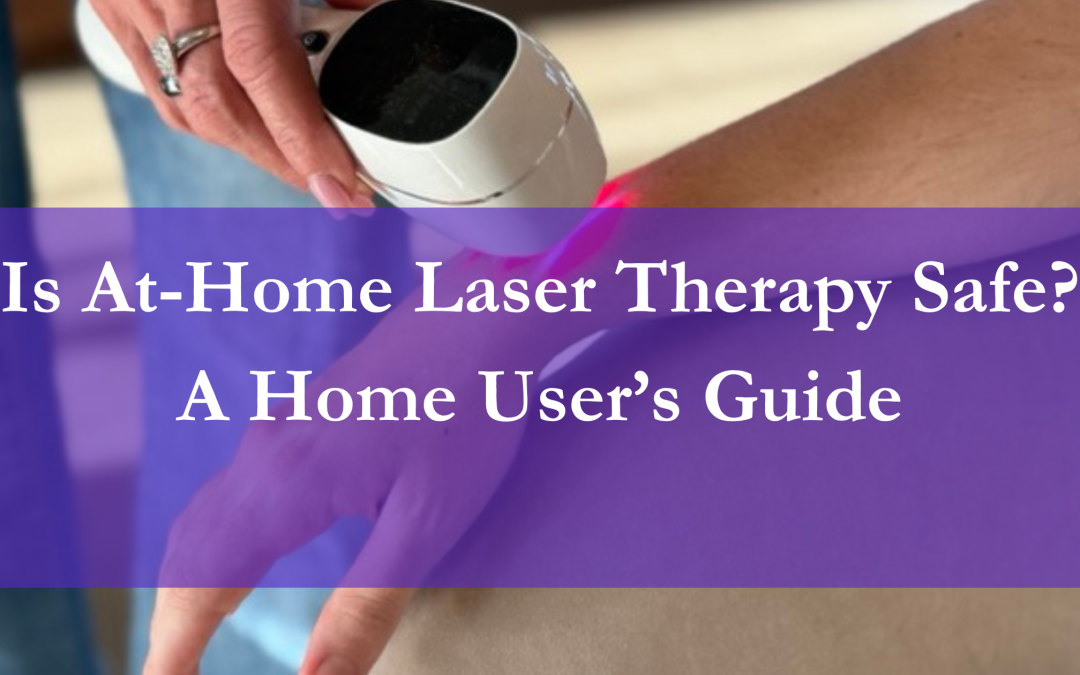
Why Safety Is the First Question People Ask
When people first explore at-home laser therapy, one question usually comes before all others: Is it safe?
That’s a fair and important question, especially when the word “laser” is involved. Many people
associate lasers with heat, cutting, or medical procedures, which can understandably raise
concerns. The reality is that at-home cold laser therapy is very different from surgical or high-
powered lasers, and understanding that difference is key to using the technology with
confidence.
What Makes Cold Laser Therapy Different?
Cold laser therapy, also known as low-level laser therapy or photobiomodulation is non-
thermal or heating. It does not burn, cut, or damage tissue. The energy levels used are
designed to support cellular signaling and repair, not tissue destruction.
Instead of heat, cold laser therapy works by delivering specific wavelengths of light that cells
can absorb and respond to. This is why it’s commonly used to reduce pain, support recovery,
inflammation regulation, and tissue function rather than invasive medical intervention.
Why Power and Precision Matter
Safety in laser therapy isn’t just about wavelength—it’s about how much energy is delivered,
how focused it is, and how it’s applied.
Devices designed for professional clinical use often operate at higher power levels and require
advanced training. Devices designed for home use must balance effectiveness with safety by
staying within appropriate parameters while still delivering meaningful cellular support.
This balance is where thoughtful engineering matters most.
How True Laser Pro Is Designed for Home Use
To understand why laser therapy feels different from many wellness tools, it helps to look at mitochondria in the cell membrane.
Mitochondria are often called the “power plants” of the cell because they produce ATP the energy currency your body relies on for tissue repair, nerve signaling, muscle function, and immune activity. Photobiomodulation is closely associated with mitochondrial support because targeted light energy can help optimize mitochondrial activity. This allows the cells and the nervous system to communicate at a higher rate. You cannot have healing without proper nervous system communication.
When cells have improved energy availability, many downstream processes such as recovery, tissue regeneration, and inflammation regulation will function more efficiently. This is why laser therapy isn’t just about relieving pain and muscle soreness; it’s about supporting cellular performance at a foundational level to rehabilitate the system.
Using a cell phone as an example, the True Laser brings the nerve signal from 1-Bar after acute or chronic trauma back up to 5-bars allowing optimal feedback from the treating area to the brain and then back down.
What Makes True Laser Pro Different for Home Use
True Laser Pro was designed around this cellular-support model, with an important distinction: it uses focused pulsed laser energy, not broad or scattered light. That combined with various levels of electrical stimulation cause a synergistic effect, referred to as Bio-Stacking.
This matters because focused energy improves precision and supports deeper tissue signaling compared to many consumers light-based devices. At the same time, True Laser Pro is engineered to stay within safe parameters appropriate for home use.
The result is a professional-grade approach adapted specifically for people to empower themselves at home with consistent reliable results like in a clinical setting.
What Results Should You Expect?
After a laser session, the muscle and joint pain relief can last from 24-48 hours or more in many cases. With consistent use, this effect often extends longer because laser therapy has an accumulative effect. That’s why improvements tend to build over time rather than requiring constant daily use indefinitely.
The goal isn’t a temporary decrease in pain, but repeated cellular and tissue support that helps the body stabilize, adapt, and perform better between sessions through the rehabilitation process.
How Often Should You Use At-Home Laser Therapy?
True Laser Pro was designed specifically with home users in mind. That means it delivers
focused laser energy while remaining within safe, non-thermal ranges appropriate for self-use.
It is not intended to replace medical care or perform invasive treatment. Instead, it’s designed
to support the body’s natural recovery and regulation processes when used as directed and as
part of a consistent routine.
Equally important, True Laser Pro is built around guided protocol thinking. Random use of any
therapy light-based or otherwise often leads to inconsistent results. Structured use supports
both safety and effectiveness.
What About Eye Safety and Overuse?
- Like any light-based technology, basic precautions matter.
- Avoid direct eye exposure
- Follow recommended placement and session durations
- Allow rest time between sessions
- Use the device as instructed, not excessively
More is not always better. Laser therapy works best when the body is given time to respond between sessions. This is why protocols emphasize spacing, consistency, and recovery—not
constant use.
Who Should Be Cautious or Seek Guidance First?
While cold laser therapy is generally well tolerated, certain individuals should consult a
healthcare professional before use, including those who:
- Are pregnant
- Have known photosensitivity
- Are managing active cancer care
- Have implanted electronic medical devices
True Laser Pro is designed to support wellness—not diagnose or treat disease—and it should be used responsibly within that context.
Confidence comes from Education
One of the most overlooked aspects of safety is understanding what you’re doing and why.
That’s why education is built into the True Laser Pro experience. Home users receive access to
structured protocols, demonstrations, and ongoing learning resources developed by Dr.
Richard Amy, who has decades of clinical experience working with laser therapy in both
professional and educational settings. When users understand placement, frequency, and scheduling, outcomes tend to be clearer and confidence grows naturally.
The Bottom Line on Safety
At-home laser therapy is not about pushing limits. It’s about supporting the body intelligently.
When used properly, cold laser therapy offers a non-invasive, drug-free option that fits into
daily life without disrupting it. True Laser Pro was created to make that process clear,
structured, and accessible, so home users can feel informed, safe, and supported every step of
the way.
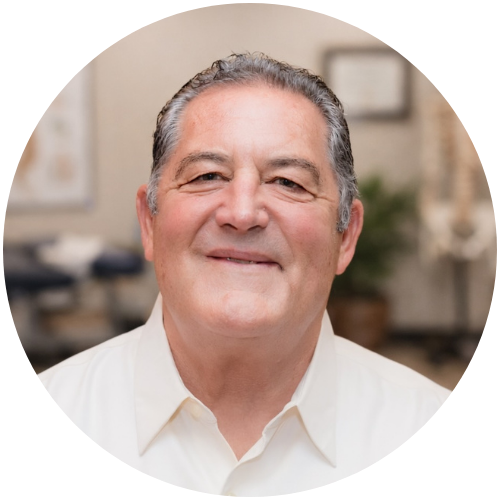
Dr. Richard Amy is a physician known as “The Laser Doc,” specializing in non-invasive laser therapy and photobiomodulation to support healing, recovery, and pain relief. He is the founder of True Laser Pro and trains both patients and practitioners on practical, results-driven laser protocols for home and clinical use.